Grab Bars and Rails
Anchored into studs or solid blocking for reliable support at showers, toilets, and stairways.
Aging-in-place and accessibility remodeling in Connecticut from $5,000 to $50,000+. Grab bars, walk-in showers, wider doorways, ramps, and barrier-free design for safe, independent living at home.
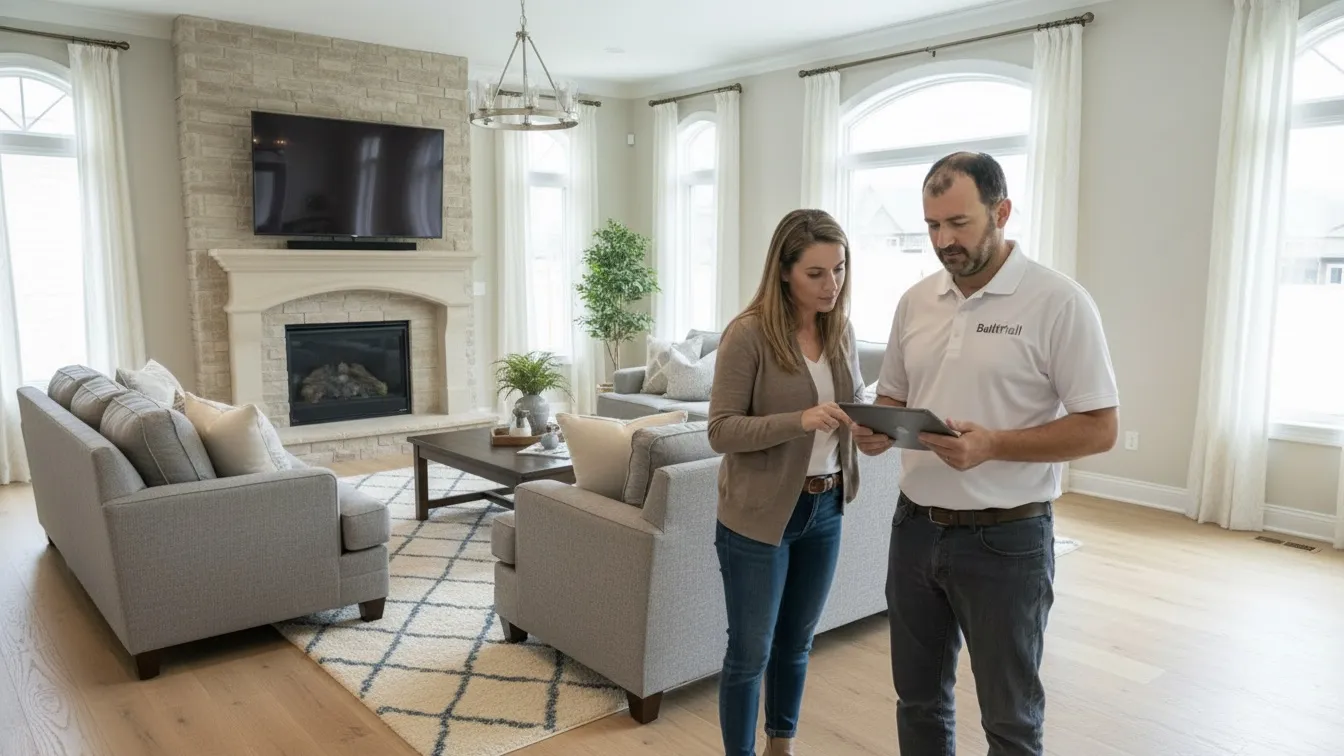
Comfort and accessibility remodeling in Connecticut costs between $5,000 and $50,000 depending on the scope of modifications, with most projects completing in one to four weeks. These projects make homes safer and easier to navigate — whether you're modifying a home for an aging parent, adapting it following a medical event, or planning ahead for the years to come. Every project is managed by our in-house team. We hold a Connecticut Home Improvement Contractor license (#0668405) and carry full liability and workers' compensation insurance.
We work across Fairfield County and New Haven County, and Connecticut's housing stock presents a specific challenge for this type of work. The majority of homes here are colonials and split-levels built between the 1950s and 1980s — layouts that were never designed with accessibility in mind, with narrow doorways, single-threshold shower entries, and stairs at nearly every transition. We modify these homes thoughtfully, making meaningful changes without compromising the character or function of the space.
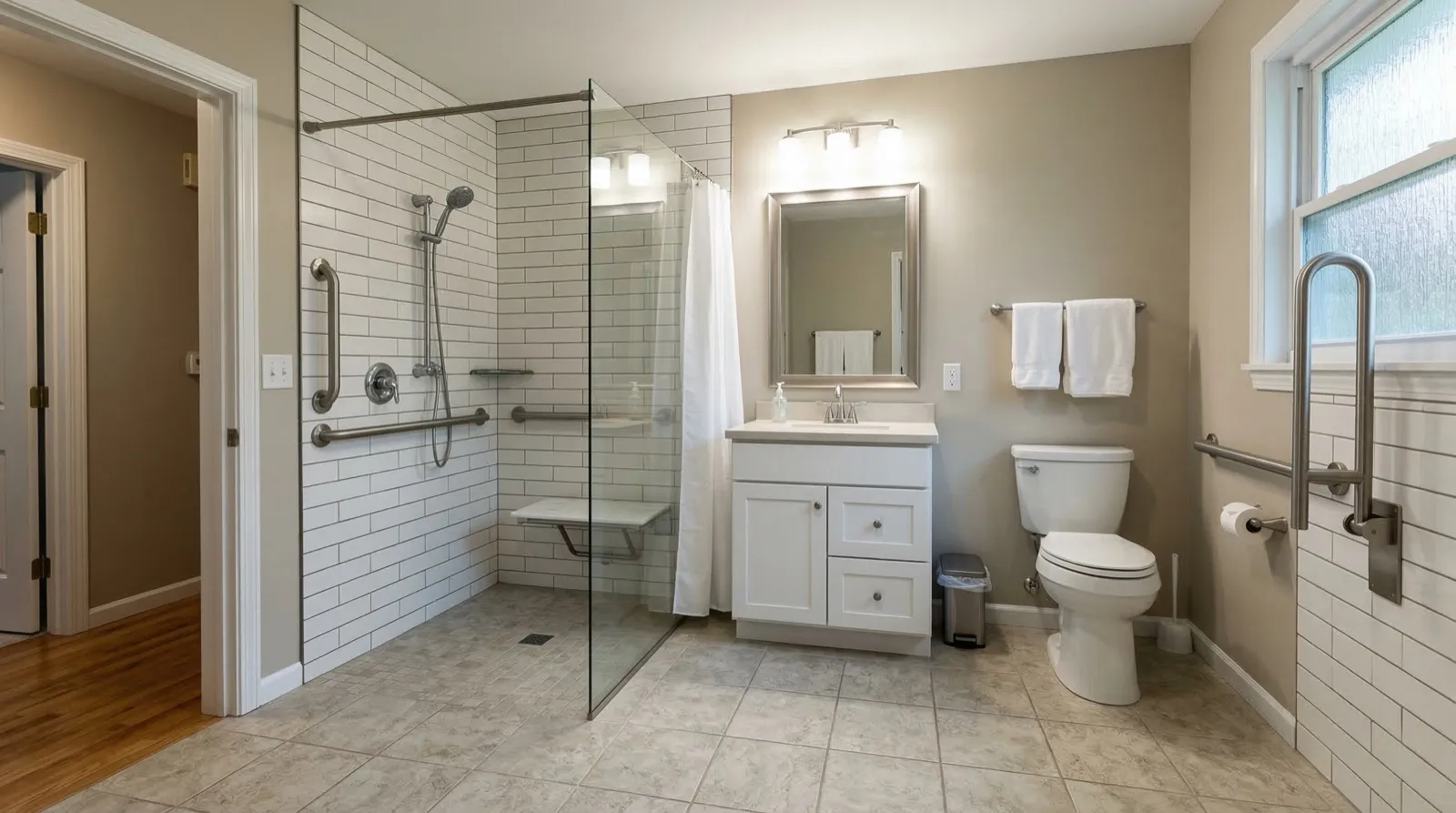
Comfort and accessibility modifications include grab bar installation anchored into studs or blocking, tub-to-walk-in-shower conversion with zero or low-threshold entry, non-slip tile, built-in seating, doorway widening, lever-style hardware, exterior ramp construction, handrail installation, and improved lighting in stairs and hallways.
The bathroom is where we begin most accessibility projects. Grab bars are the most requested modification, and proper installation matters significantly. A grab bar screwed into drywall with no backing will pull out of the wall under any real load. We anchor every grab bar into studs or solid blocking installed specifically for that purpose — the kind of installation that supports weight when it needs to.
Tub-to-shower conversions are among the most impactful modifications we complete. A standard bathtub requires stepping over a 14-inch to 18-inch threshold to enter — a significant fall hazard. A walk-in shower with a zero-threshold or low-threshold entry removes that barrier entirely. We tile these showers with non-slip floors, install a built-in bench or fold-down seat, and configure the showerhead and controls for reach from a seated position when needed.
Beyond the bathroom, common modifications include widening interior doorways to 36 inches to accommodate wheelchairs and walkers, replacing round doorknobs with lever-style handles throughout the home, and building ramps with the correct slope (no steeper than 1:12) and properly dimensioned landings at the door threshold.
We approach every project by doing what the situation actually calls for. If one grab bar solves the problem, we install one grab bar. We don't propose unnecessary scope, and we don't present a modification plan that goes beyond what's genuinely useful to you.
Anchored into studs or solid blocking for reliable support at showers, toilets, and stairways.
Zero-threshold or low-threshold entry with non-slip tile, built-in bench, and seated-position controls.
Interior doorways widened to 36 inches to accommodate wheelchairs, walkers, and easier navigation.
Exterior ramps with correct slope (1:12), properly dimensioned landings, and handrails at door thresholds.
Non-slip tile and flooring surfaces in bathrooms, kitchens, and high-traffic transition areas.
Lever-style door handles and paddle faucet controls replacing round knobs throughout the home.
Recessed lighting, motion-activated night lights, and three-way switches in stairways and hallways.
Conversion of first-floor rooms to bedroom and bathroom use, eliminating the need to navigate stairs daily.
The projects below give you a sense of what we've completed in Connecticut recently.
A Stratford homeowner needed a safer bathroom after a fall. We converted the bathtub to a zero-threshold walk-in shower with grab bars anchored into blocking, a built-in bench, non-slip tile, and a comfort-height toilet.
"I feel safe in my own bathroom again. The shower is exactly what I needed."
HomeownerAccessibility modification costs in Connecticut range from $5,000 for targeted modifications to $50,000 for full-home modifications covering multiple areas. A bathroom conversion typically falls between $15,000 and $30,000.
| Scope | Cost Range | What's Typically Included |
|---|---|---|
| Targeted Modifications | $5,000–$10,000 | Grab bars, threshold work, lever handles, improved lighting |
| Bathroom Conversion | $15,000–$30,000 | Walk-in shower with zero-threshold entry, grab bars, comfort-height toilet, non-slip tile |
| Full Home Modifications | $30,000–$50,000 | Doorway widening, ramp construction, bathroom conversion, lighting and hardware throughout |
These ranges reflect the scope of the work. We provide a specific cost after an on-site assessment because the actual conditions in your home determine what's involved.
If your project includes a mini-split or HVAC upgrade, Connecticut homeowners may qualify for rebates through Energize CT. Visit Energize CT for current programs.
Great comfort remodeling starts with the right team.
Get Your Free EstimateOn-site or remote via Google Meet. No charge, no obligation.
Connecticut's housing stock presents specific challenges for accessibility modifications that require local construction knowledge.
Connecticut's colonial and split-level housing stock, which dominates both Fairfield and New Haven Counties, presents consistent accessibility challenges: narrow doorways, raised thresholds, stairs at every level transition. We know these homes because we work in them every week. The modifications needed to make them safer and more navigable are well within scope for us, and we approach them as practical construction problems with practical solutions.
Doorway widening in Connecticut colonials involves modifying wall framing, which is structural work. In homes with balloon framing found in Greenwich, Guilford, and New Haven, the structural approach differs from standard platform-framed houses. We've completed doorway widening and accessibility work in all of these conditions and know what to expect before we open a wall.
Exterior ramp construction requires attention to Connecticut's frost line at 42 inches. Footings must reach this depth to prevent heaving. Grade conditions vary significantly across Fairfield and New Haven Counties, and ramp design must account for the specific site conditions at your home's entrance.
Permitting varies by municipality for accessibility work. Doorway widening and ramp construction with footings typically require building permits. Bathroom conversions where plumbing layout changes require plumbing permits. We've completed this work across both counties and are familiar with the specific requirements in each town. We handle all permit applications and inspection coordination as part of the project. Mini-split and HVAC upgrades installed during accessibility remodeling may qualify for Energize CT rebates.
Every accessibility project follows the same five-step process. This structure keeps projects on schedule, on budget, and clearly communicated throughout.
Click any step to learn more
Most accessibility projects take one to four weeks from signed proposal to final walkthrough. A bathroom conversion alone typically takes two to three weeks.
On-site evaluation, modification plan, material selections, and detailed proposal.
Permit applications where required, material ordering, and scheduling coordination.
Grab bars, shower conversion, doorway widening, ramp construction, hardware, and lighting.
Review every modification together, test all hardware and fixtures, and confirm completion.
Timelines vary based on project scope, material availability, and permit requirements.
We provide comfort and accessibility remodeling throughout Fairfield and New Haven Counties, with dedicated teams serving both regions.
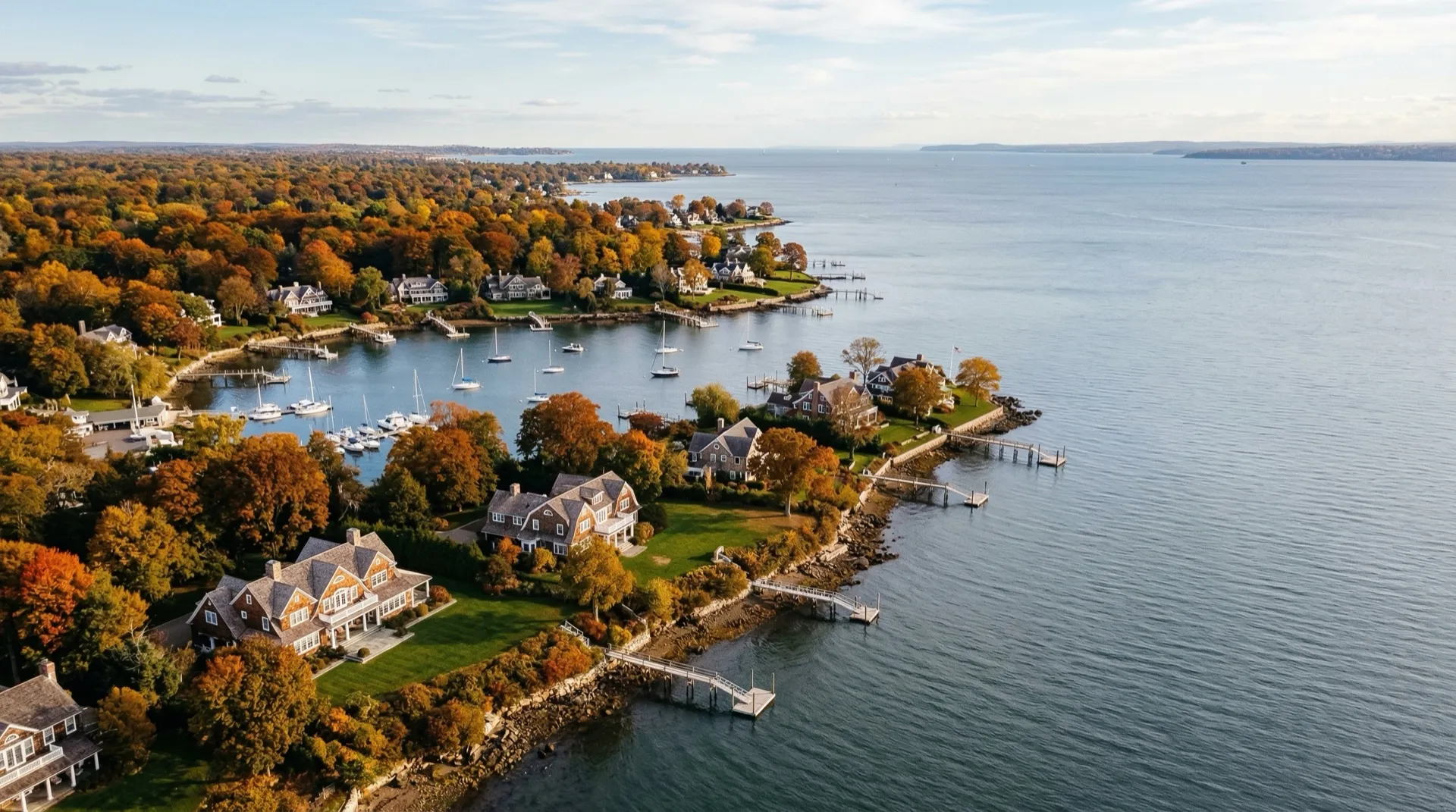
Accessibility remodeling across Fairfield County, from aging in place upgrades in Greenwich and Westport to grab bars, ramps, and barrier free showers in Norwalk and Stamford. Safety built into every detail.
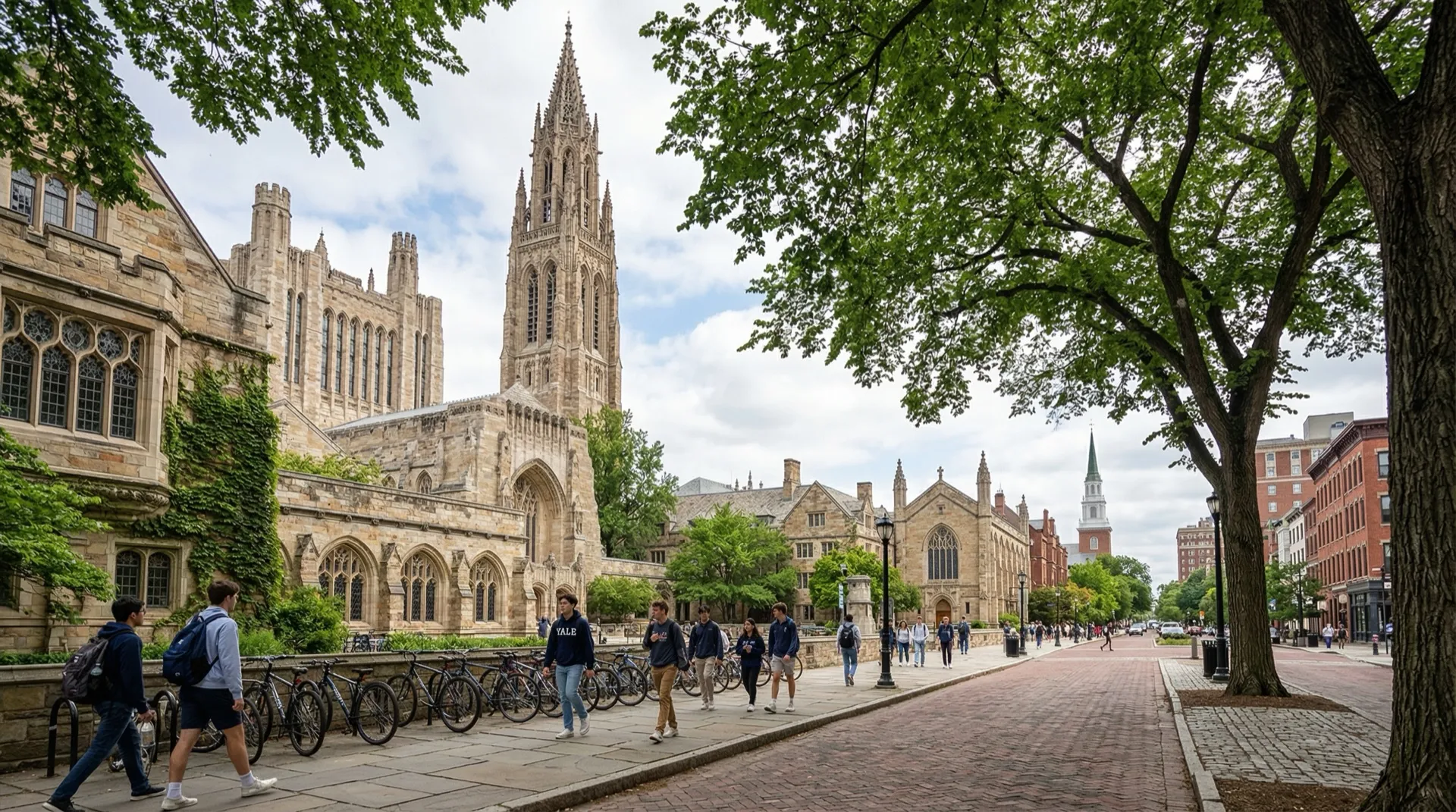
Accessibility remodeling across New Haven County, from our Orange, CT office. We make homes safer and more comfortable with thoughtful modifications that maintain the look and feel of your space.
Not sure if we cover your area? Contact our Connecticut remodeling team and we'll let you know.
We work exclusively with proven brands trusted by contractors and homeowners across Connecticut.










Tell us about your project. We respond within one business day. No obligation.
Flexible Financing Available. Get approved in about 60 seconds and start your project today.
Many comfort and accessibility remodeling projects include or lead to these related services.
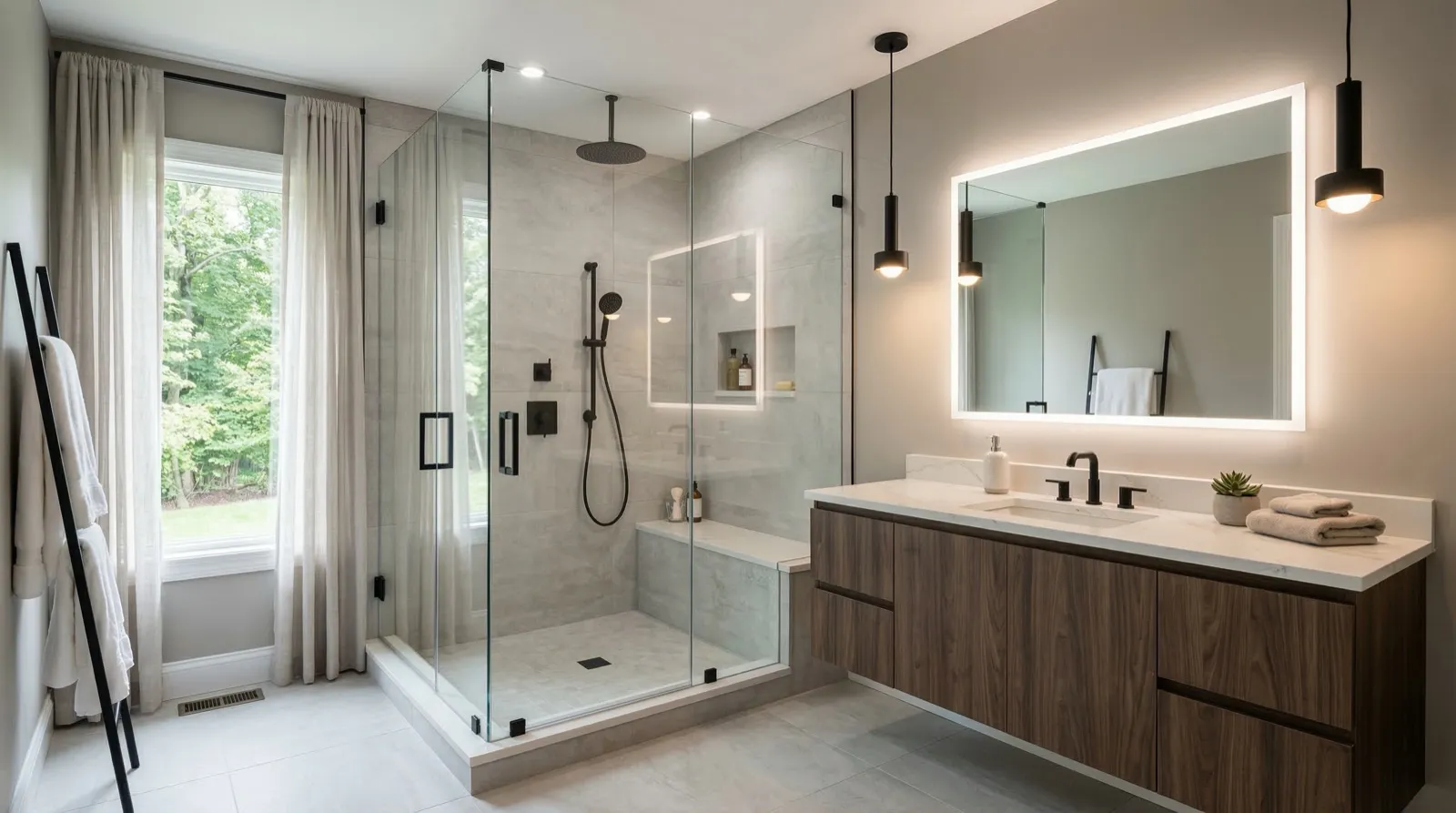
Complete bathroom renovations including tile, vanities, showers, tubs, and plumbing upgrades throughout Connecticut.
Learn More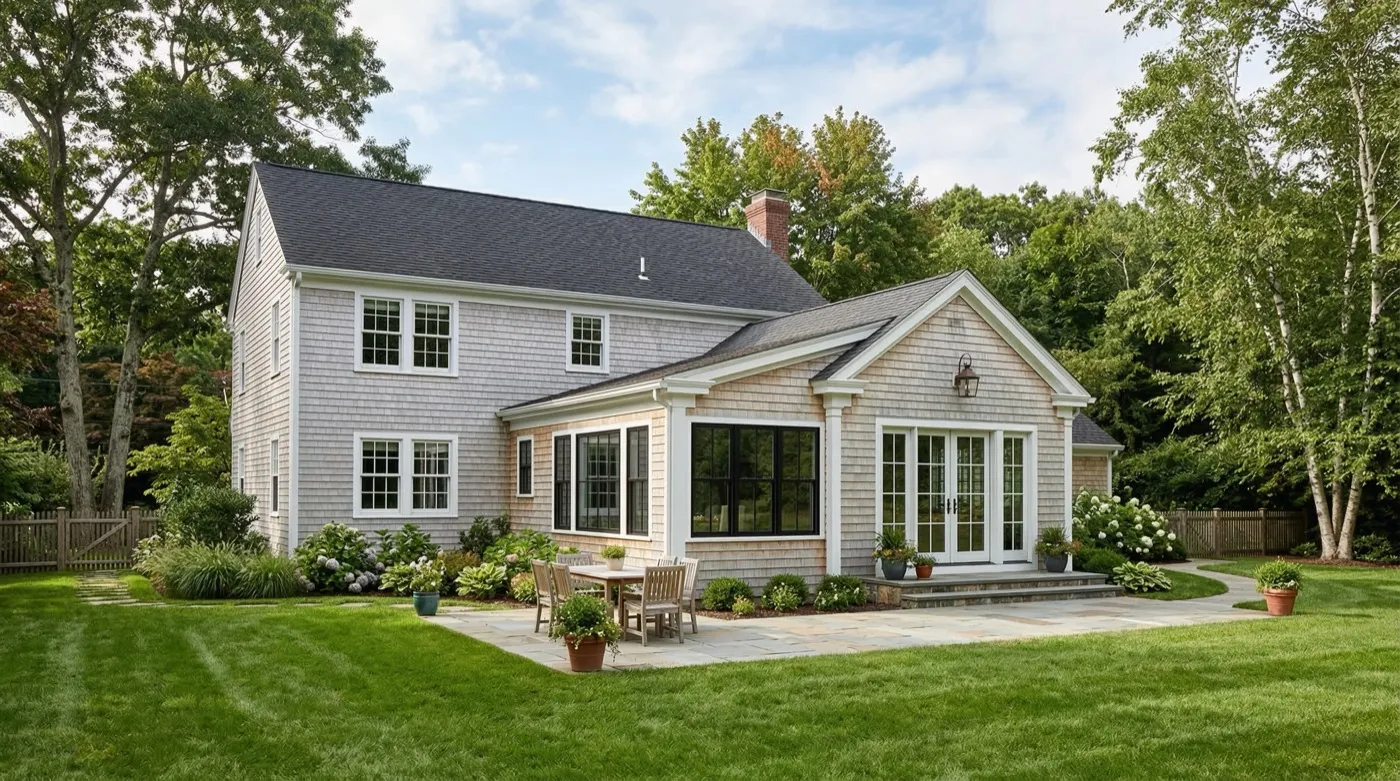
First-floor bedroom and bathroom additions for homeowners who need accessible living space without navigating stairs.
Learn More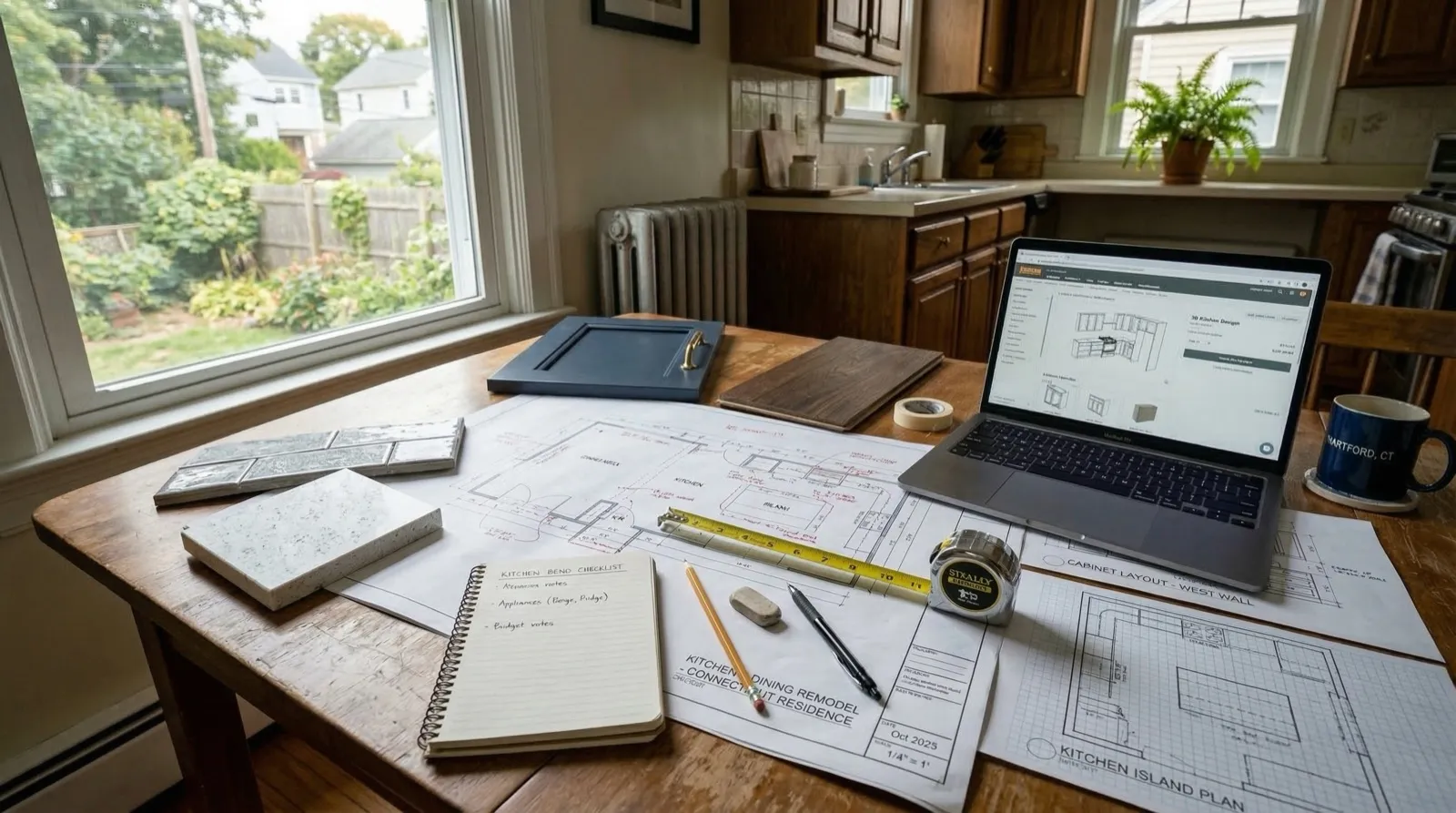
Professional design and planning services to coordinate accessibility modifications with larger renovation projects.
Learn More