Structural Assessment
Full evaluation of floor joists, roof framing, and load paths to determine what reinforcement is needed.
Attic conversions in Connecticut cost $50,000 to $150,000+, typically taking 6 to 12 weeks. Bedrooms, home offices, and bonus rooms — fully insulated, permitted, and finished by our licensed team.
Attic conversions in Connecticut cost between $50,000 and $150,000 depending on structural conditions, the level of finish, and whether a dormer addition is needed. Most projects take six to twelve weeks to complete, with structural engineering review and permit approval adding another three to six weeks before construction begins. Converting an attic into finished living space adds square footage without expanding your home's footprint, and in Connecticut's tight housing market, that added square footage carries real value.
We work across Fairfield County and New Haven County, and attic conversions are among the more structurally demanding projects we take on. Floor joists in most older Connecticut attics were sized for storage, not occupancy. Roof framing may limit headroom. Insulation, ventilation, egress, electrical, and HVAC all need to meet current Connecticut building code. We assess every one of these conditions before we propose a scope of work.
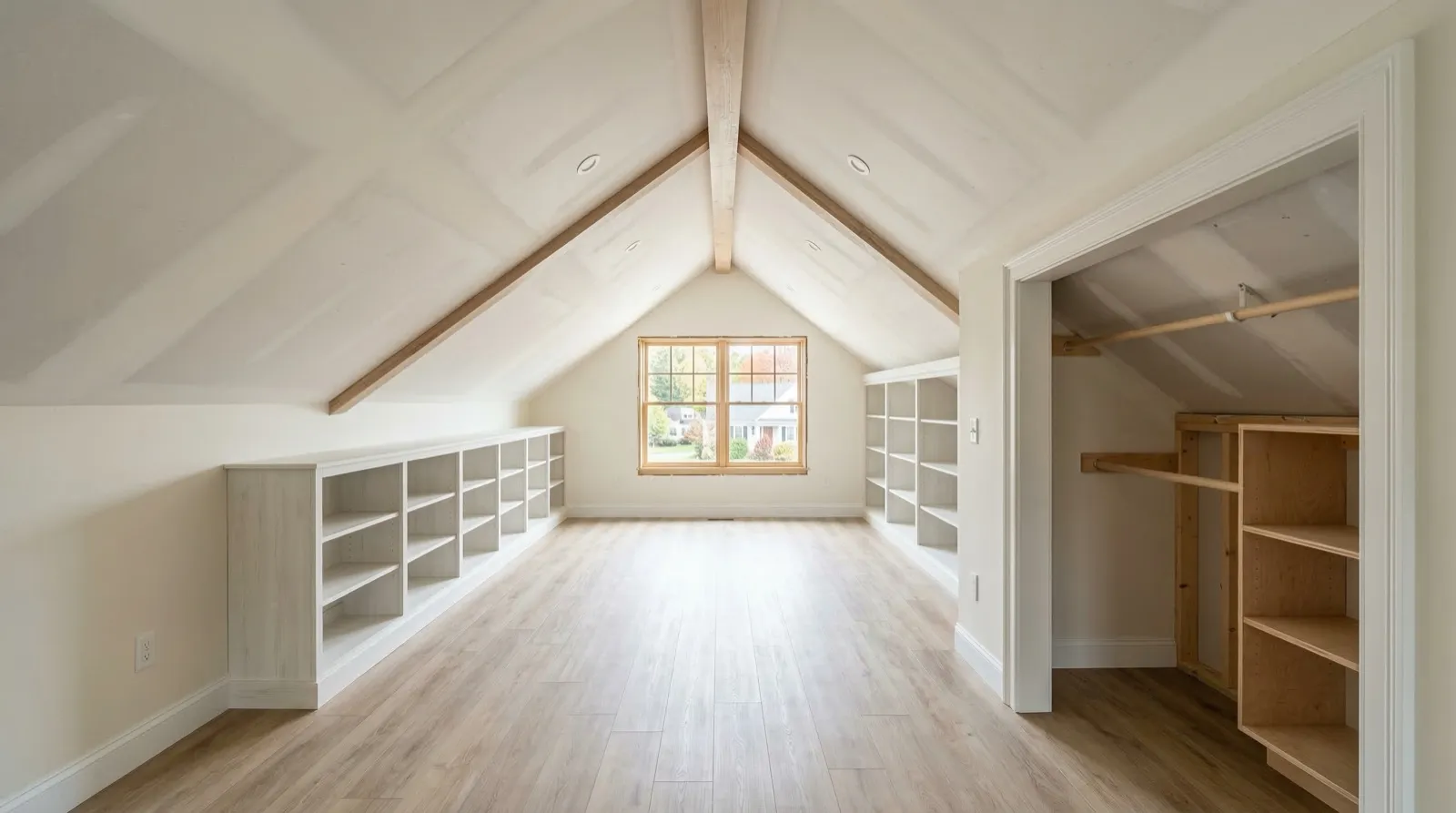
An attic conversion includes structural assessment and joist reinforcement, insulation and air sealing upgrades, egress window or dormer installation, HVAC extension or mini-split installation, electrical wiring, drywall, flooring, and finish trim. Everything required to bring the space to code as habitable area.
We start with a thorough structural assessment. Many Connecticut homes built between the 1950s and 1980s have attic floor joists sized for storage only, typically 2x6 framing spaced 16 inches on center. That framing is not rated for the live and dead loads of an occupied room. Sistering the existing joists or replacing them entirely is standard on these projects, and we account for it upfront rather than discovering it mid-construction.
Insulation is a significant part of every attic conversion we complete. Connecticut attics are often the largest source of heat loss in winter and heat gain in summer. Most older attics fall well short of current R-value minimums for rooflines and knee walls. We upgrade the insulation system and address air sealing at the same time, which is what makes the finished space comfortable year-round. Eversource offers a free Home Energy Solutions audit that often covers insulation rebates for attic projects — check energizect.com for eligibility.
Egress is required by Connecticut building code for any attic used as a bedroom. That means a properly sized window that meets minimum opening dimensions, installed at a reachable height. Where existing rooflines don't accommodate a standard egress window, a dormer is the solution. We handle the permit application, engineering coordination, and construction for both.
HVAC for attic spaces typically means a ductless mini-split system. Extending existing ductwork into an attic is possible in some homes but often impractical given the distances and the heat gain the ductwork would experience running through an unconditioned space. Mini-splits are efficient, allow independent temperature control, and don't require rerouting your existing system.
Full evaluation of floor joists, roof framing, and load paths to determine what reinforcement is needed.
Sistering or replacing existing joists to meet live and dead load requirements for occupied space.
Upgraded insulation system meeting current R-value minimums for rooflines, knee walls, and air sealing.
Code-compliant egress windows or dormer installation for headroom, natural light, and safety.
Ductless mini-split installation for independent heating and cooling, sized for the finished space.
Full wiring for outlets, switches, lighting, and dedicated circuits to meet current code requirements.
Subfloor preparation, finished flooring installation, drywall, and ceiling work throughout the space.
Interior painting, finish trim, hardware, daily cleanup, and final walkthrough.
The projects below give you a sense of what we've completed in Connecticut recently.
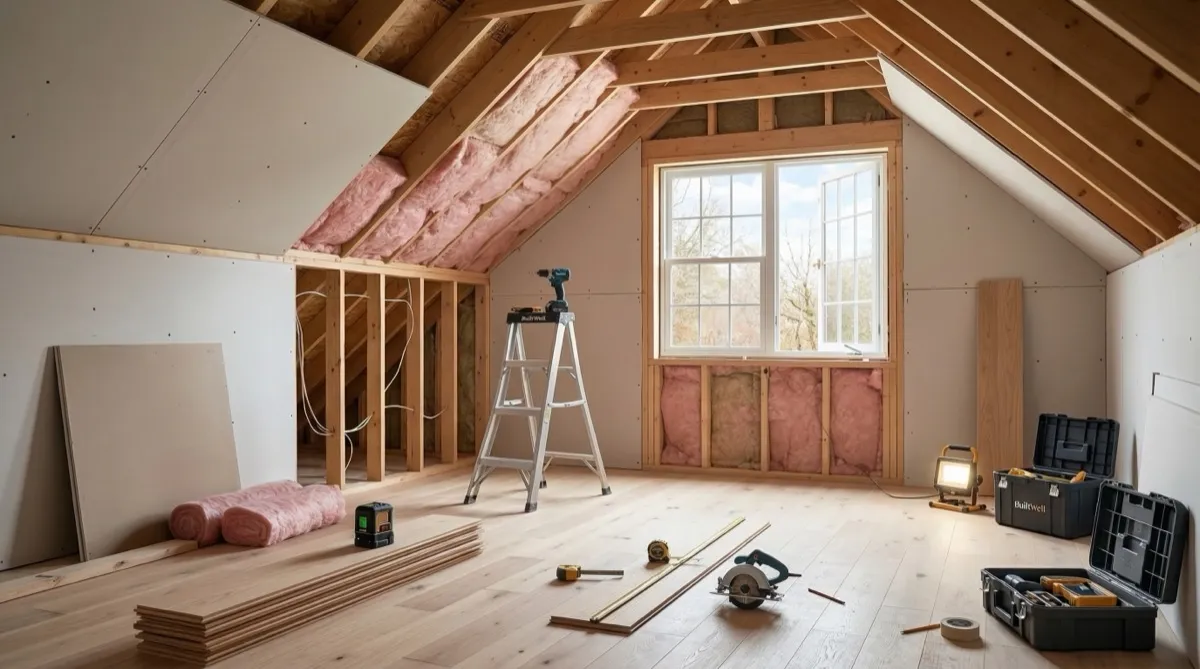
A Weston homeowner wanted to convert their unfinished attic into usable living space. We reinforced the floor joists, framed new walls with fiberglass insulation, installed an egress window for code compliance, and began drywalling over the existing rafters. New subfloor laid throughout for the finish flooring to follow.
"Watching it come together was incredible. They turned a dusty attic into a real room in under two weeks."
HomeownerAttic conversion costs in Connecticut range from $50,000 for a basic finished room to $150,000 or more for a full dormer addition with a bathroom and premium finishes.
| Scope | Cost Range | What's Typically Included |
|---|---|---|
| Basic Finishing | $50,000–$75,000 | Insulation upgrade, flooring, drywall, electrical, egress window |
| Full Living Space | $75,000–$120,000 | Bedroom or office with closet, full egress, HVAC extension or mini-split, finishes |
| Dormer Addition | $100,000–$150,000+ | Structural dormer, additional headroom, full finishes, bathroom |
All prices include labor and materials. Final cost depends on scope, selections, and site conditions.
Attic insulation is one of the most common qualifying upgrades under Eversource Home Energy Solutions. Connecticut homeowners can schedule a free energy audit and may receive insulation rebates through Energize CT.
Great attic conversions starts with the right team.
Get Your Free EstimateOn-site or remote via Google Meet. No charge, no obligation.
Connecticut attics present structural and climate conditions that contractors without local experience regularly miss.
Connecticut homes built before 1990 almost always have attic floor joists sized for storage loads, not occupancy loads. The typical configuration is 2x6 framing spaced 16 inches on center, which falls short of the live and dead load requirements for habitable space. Sistering new joists alongside existing members is the standard solution, but the approach varies depending on span, species, and condition of the existing lumber. We assess all of this during the initial site visit and include the structural scope in our proposal from the start.
Insulation and ventilation requirements are more demanding in Connecticut than in milder climates. Attics here are the largest source of heat loss in winter and heat gain in summer. Most older attics fall well short of current R-value minimums for rooflines and knee walls. Getting the insulation, air sealing, and ventilation balance right is critical. An improperly insulated attic conversion will be uncomfortable year-round and will drive up your energy costs. We coordinate insulation upgrades with proper ventilation channels to prevent moisture buildup and ice damming.
Roof framing and headroom vary significantly across Connecticut housing stock. Cape cods, which are common throughout both Fairfield and New Haven Counties, typically have rooflines that limit usable headroom to a narrow strip at the ridge. Colonials generally fare better. Connecticut building code requires a minimum ceiling height of 7 feet 6 inches over at least half the floor area for the space to qualify as habitable. Where existing headroom is insufficient, a dormer addition is needed. We measure these conditions during the initial assessment and give you a clear picture of what is achievable.
Permitting for attic conversions in Connecticut involves structural, electrical, and building permits in most municipalities. Towns like Greenwich, New Canaan, Ridgefield, and Guilford have historic district requirements that add a design review step for exterior changes like dormers. Egress requirements vary by use. A bedroom requires a properly sized egress window at a specific height. We handle all permit applications and inspection coordination regardless of which town your home is in.
Every attic conversion follows the same five-step process. This structure keeps projects on schedule, on budget, and clearly communicated throughout.
Click any step to learn more
Most attic conversions take nine to eighteen weeks from signed proposal to final walkthrough.
Structural engineering review, permit applications, material selections, and detailed proposal.
Permit approval, dormer engineering review if needed, and material ordering.
Structural reinforcement, dormer framing, insulation, HVAC, electrical, drywall, and flooring.
Trim, paint, hardware, final inspections, punch list, and walkthrough.
Timelines vary based on project scope, dormer requirements, and permit approval.
We complete attic conversions throughout Fairfield and New Haven Counties, with dedicated teams serving both regions.
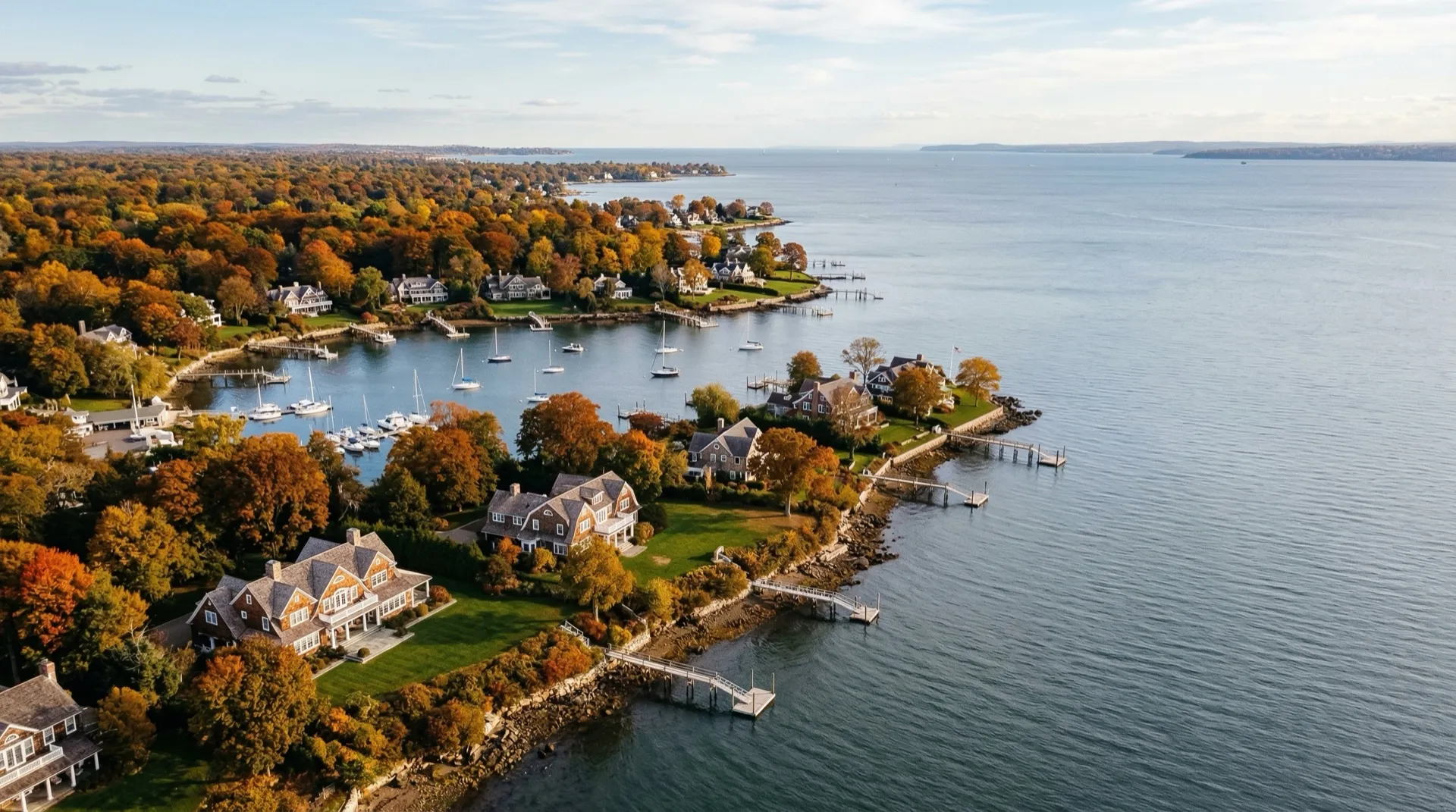
Attic conversions across Fairfield County, from bonus rooms in Greenwich and Westport to home offices and guest suites in Norwalk and Stamford. We handle insulation, dormers, and full buildouts in house.
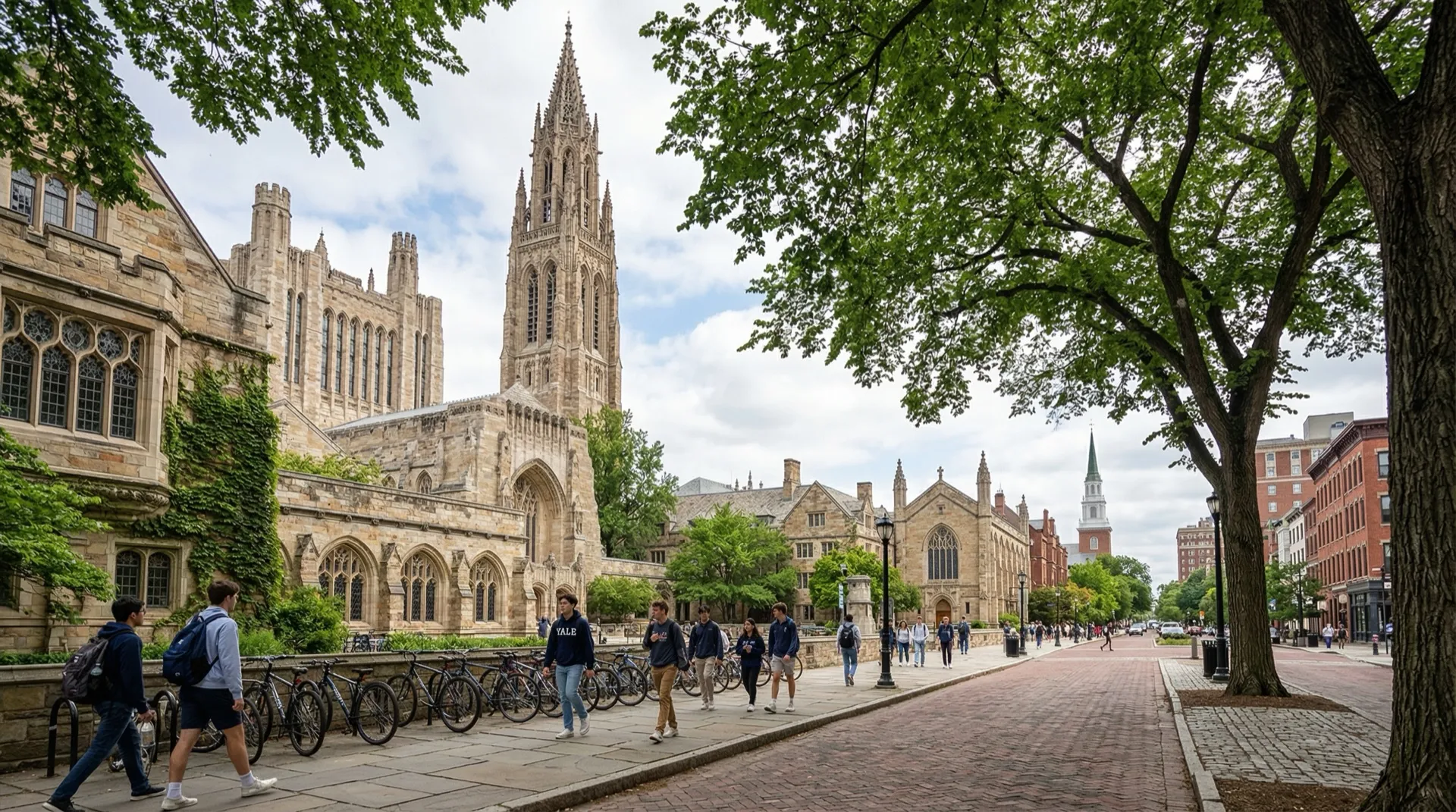
Attic conversions across New Haven County, from our Orange, CT office. We turn unused attic space into livable square footage, managing structural work, permits, and finishes from start to finish.
Not sure if we cover your area? Contact our Connecticut remodeling team and we'll let you know.
We work exclusively with proven brands trusted by contractors and homeowners across Connecticut.










Tell us about your project. We respond within one business day. No obligation.

Flexible Financing Available. Get approved in about 60 seconds and start your project today.
Many attic conversions projects include or lead to these related services.
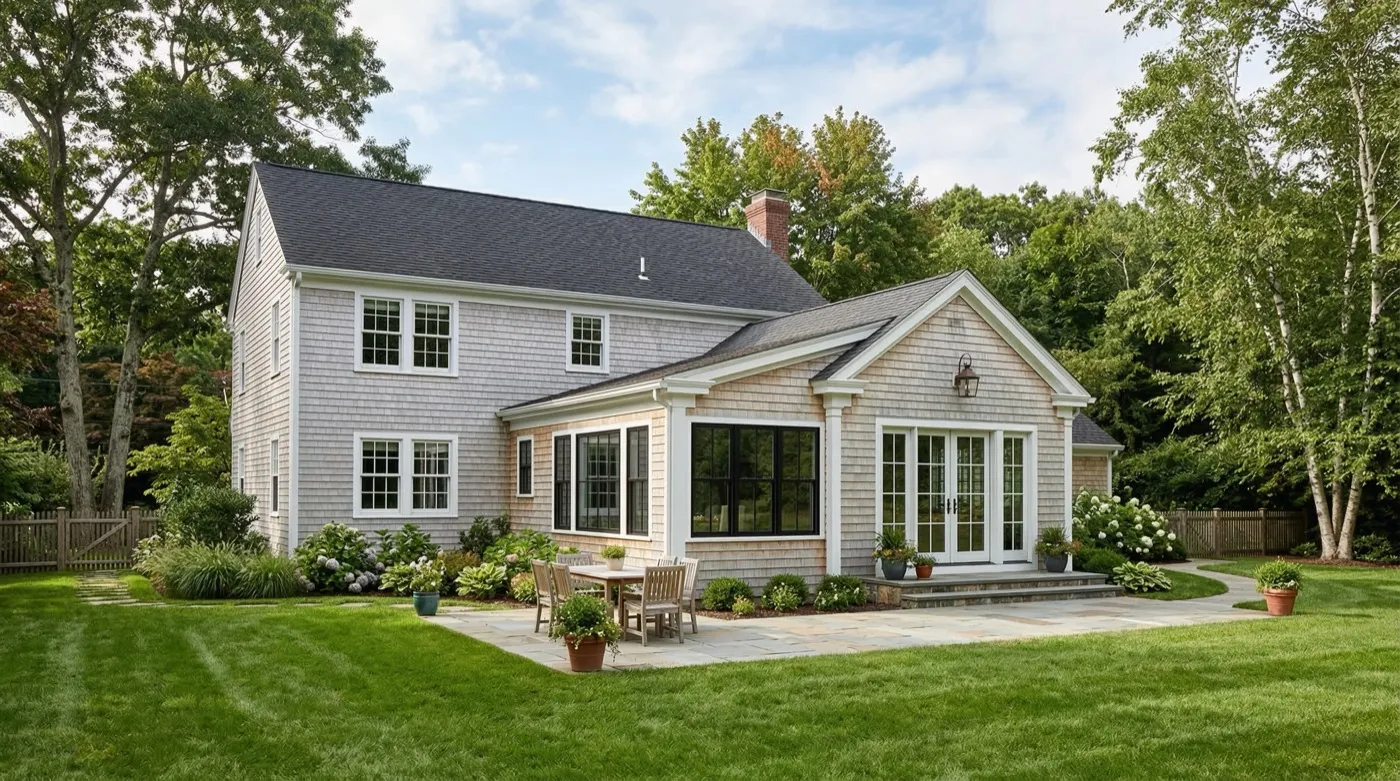
Expand your living space with structurally sound additions that match your home's existing architecture and meet all Connecticut code requirements.
Learn More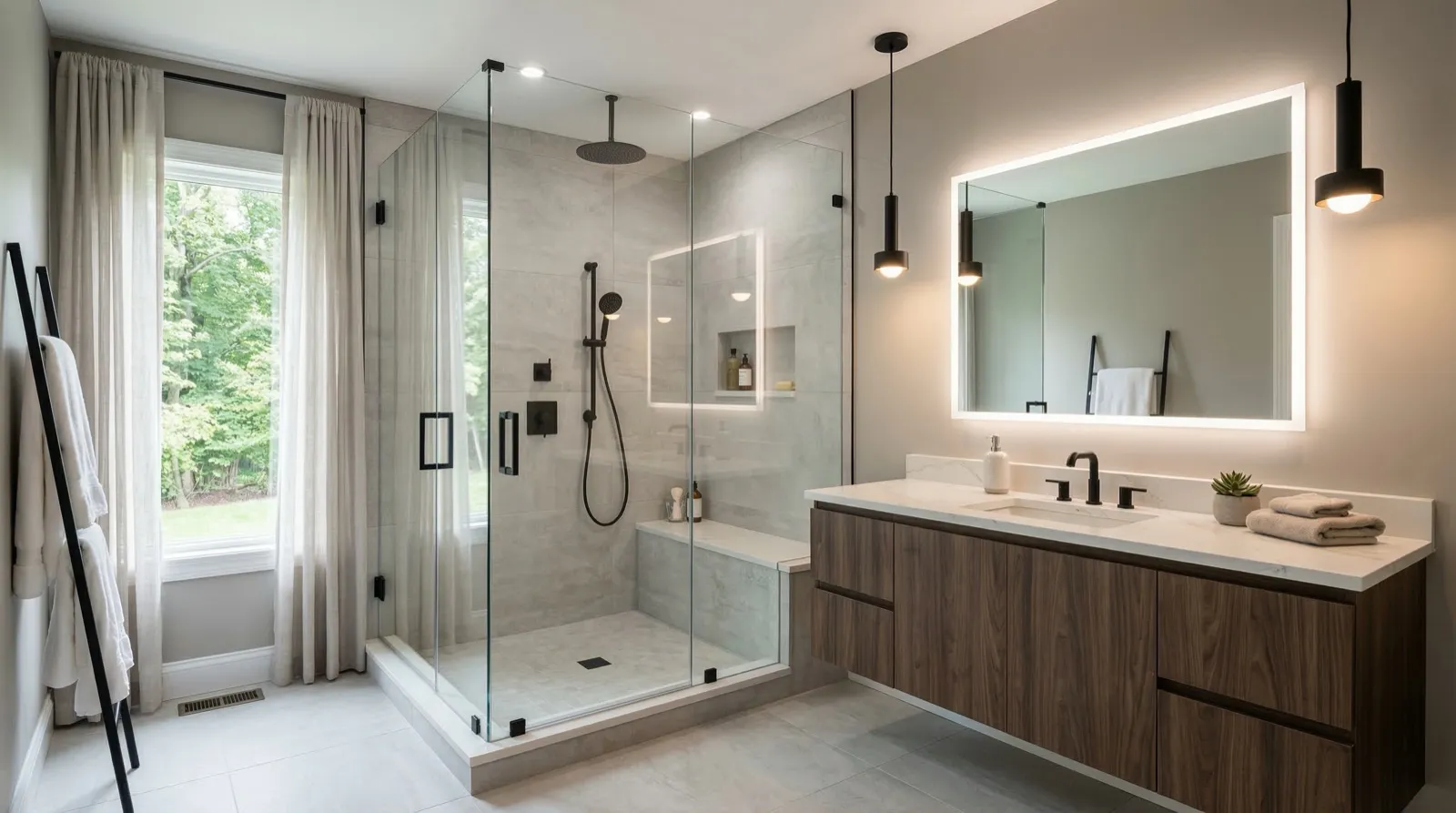
Complete bathroom renovations including tile, vanities, showers, tubs, and plumbing upgrades throughout Connecticut.
Learn More
Detailed planning, joist sizing confirmation, dormer decisions, permit preparation, and material selections locked in before construction begins.
Learn More