Cabinetry
Soft-close hardware and adjustable shelving as standard. Custom, semi-custom, or stock options available.

Licensed kitchen remodeling contractor serving New Haven, CT - pre-war and Victorian specialists. Full-service renovations from $25,000 to $150,000+.
Kitchen remodeling in New Haven, CT costs between $25,000 and $150,000 or more depending on scope and the age of the home, with pre-war properties in East Rock, Wooster Square, Prospect Hill, and Beaver Hills regularly carrying an additional $15,000 to $40,000 in code-required remediation costs on top of the base renovation. New Haven has one of the highest concentrations of pre-1940 housing in Connecticut, with 40.8% of housing units predating 1940.
We hold CT HIC License #0668405, we are EPA RRP certified for lead paint disturbance work, and we serve New Haven from our Orange, CT office.
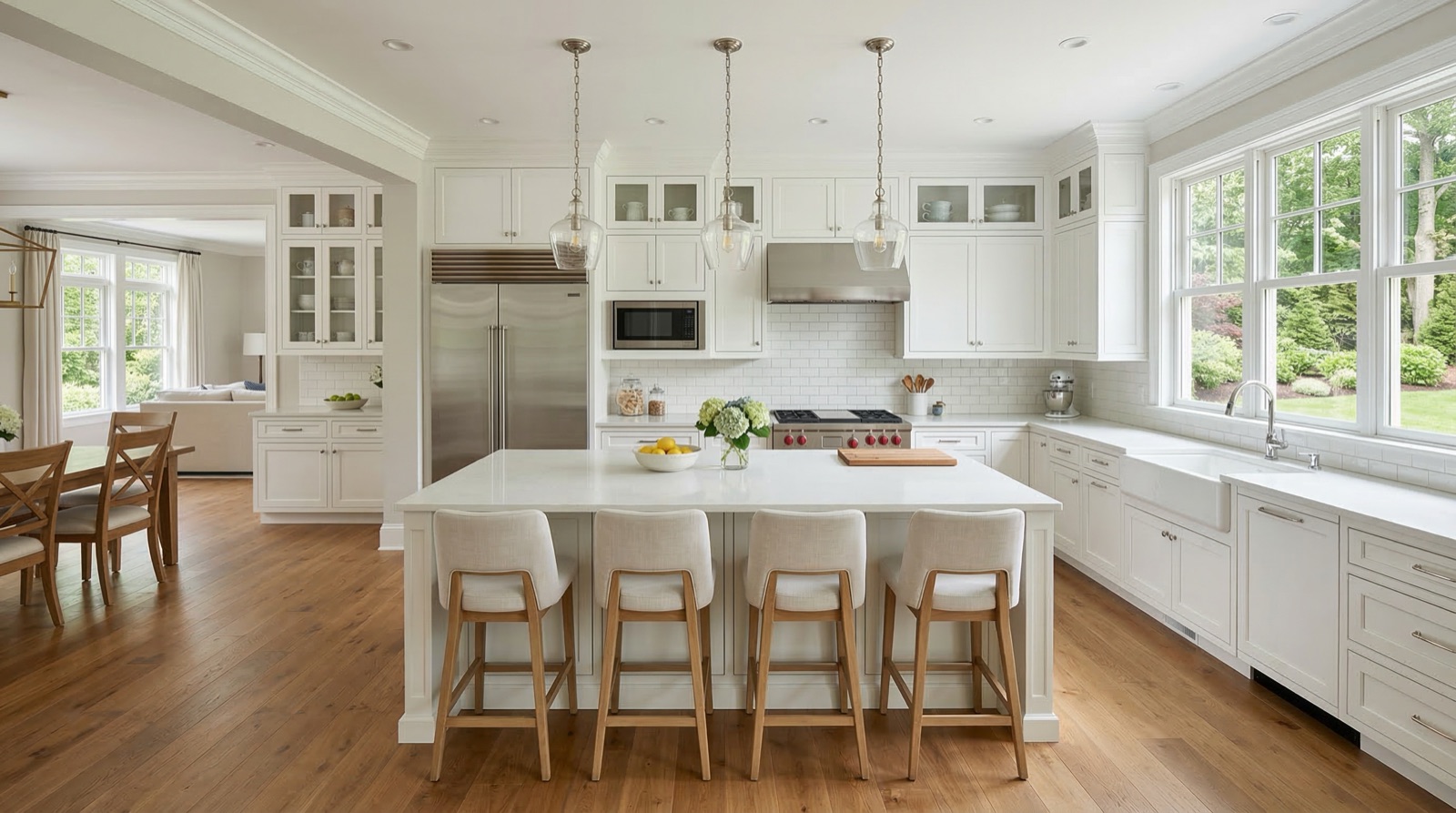
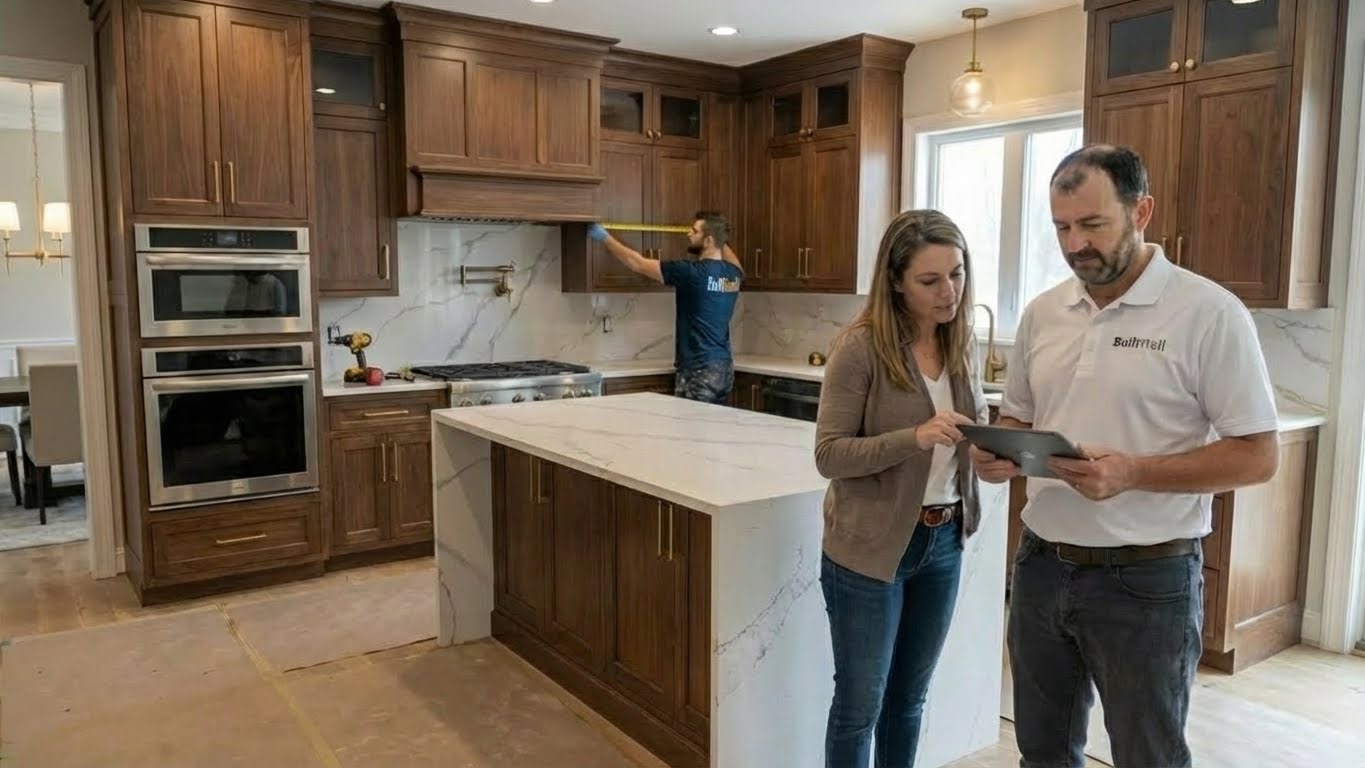
A full kitchen remodel in New Haven covers every trade from demolition through final paint: cabinetry, countertops, tile, flooring, electrical, plumbing, appliance installation, and all required permits and inspections.
We start with demolition and removal of existing cabinets, countertops, and flooring. Before any new material goes in, we assess what is behind the walls. New Haven homes built before 1940 regularly turn up knob-and-tube wiring, lead paint on multiple surfaces, plaster-on-lath walls that crumble during demolition, deteriorated plumbing, and steam heat piping that runs through the kitchen footprint. All of these conditions must be addressed before the renovation can proceed properly.
New cabinetry installation includes soft-close hardware and adjustable shelving as standard. Countertop fabrication and installation, backsplash tile, and underlayment preparation are all part of the project. Electrical scope covers new circuits for refrigerators, ranges, dishwashers, and microwaves, plus under-cabinet lighting and updated outlet and switch locations. In pre-war homes, this frequently means a full panel upgrade and rewire of the kitchen circuit.
Plumbing includes sink and dishwasher connections, garbage disposal installation, and any relocated water lines. We coordinate appliance delivery and installation so you are not managing that separately.
Interior painting, drywall patching, and daily cleanup are included throughout. We install dust barriers to protect the rest of your home during construction. In homes with lead paint, all containment and cleanup follows EPA RRP protocols. The project closes with a final walkthrough where we go through every detail together.
Soft-close hardware and adjustable shelving as standard. Custom, semi-custom, or stock options available.
Countertop fabrication and installation, backsplash tile work, and underlayment preparation.
New circuits for appliances, under-cabinet lighting, and updated outlet and switch locations.
Sink and dishwasher connections, garbage disposal installation, and relocated water lines.
Coordinated delivery and installation so you are not managing that separately.
Underlayment preparation and flooring installation with transitions to adjacent rooms.
Removal of existing cabinets, countertops, and flooring. Wall assessment and structural repair as needed.
Interior painting, drywall patching, daily cleanup, dust barriers, and final walkthrough.
New Haven's pre-war housing stock presents specific construction conditions that general contractors without local experience regularly miss or underestimate. Here are the most common issues we encounter in Victorian-era and pre-war New Haven kitchens.
Homes built before 1940 in New Haven commonly use balloon framing, where wall studs run continuously from the foundation to the roofline. This creates open wall cavities that act as chimneys during a fire. When we open walls for a kitchen renovation, we install fire blocking between floors as required by current code. This is not optional and it is not a cost that should surprise you mid-project.
Victorian kitchens in East Rock, Wooster Square, and Prospect Hill almost universally have plaster-on-lath walls rather than drywall. Plaster crumbles during demolition and creates significantly more dust and debris than drywall removal. It also means wall surfaces are irregular, which affects cabinet installation. We account for this in every pre-war kitchen scope.
Knob-and-tube wiring is present in a large percentage of New Haven's pre-1940 homes. It cannot remain active in any wall that will be insulated or enclosed during a renovation. When we find active knob-and-tube in a kitchen, the affected circuits must be rewired before the renovation proceeds. We identify this during the assessment phase and include the rewire cost in the proposal.
Any home built before 1978 may contain lead paint. In New Haven, where so many homes predate 1940, lead paint is present in the majority of kitchens we renovate. We are EPA RRP certified, which means we follow federally mandated lead-safe work practices including containment, HEPA filtration, and proper waste disposal. This is not optional for any renovation that disturbs painted surfaces in a pre-1978 home.
Asbestos floor tiles (9x9 vinyl-asbestos tile), pipe insulation, and certain plaster compounds are common in New Haven homes built between 1920 and 1970. When suspected asbestos-containing materials are found, we have them tested by a certified lab before proceeding. If positive, abatement is handled by licensed professionals as part of the project.
Many pre-war New Haven homes use steam heat with cast iron radiators and large-diameter pipes that run through walls and floors. Kitchen renovations frequently require relocating or rerouting steam pipes to accommodate new layouts. Steam systems operate under pressure and require a licensed plumber who understands the specific requirements of one-pipe and two-pipe steam configurations. We handle this as part of the project scope.
New Haven uses an online-only permit portal for building permit applications. The Building Department is located at 165 Church Street. Typical permit review takes approximately 30 days, though timelines vary depending on the complexity of the project and the current backlog.
Kitchen remodeling projects that involve electrical, plumbing, or structural work require separate permits for each trade, each with its own inspections. We handle all permit applications and coordinate every required inspection as part of the project.
If your home is in the Wooster Square historic district, additional design review by the Historic District Commission may be required for exterior-visible changes. Interior kitchen renovations typically do not trigger historic review, but if your project involves window replacement or changes to the exterior envelope, we identify that during planning and account for the additional review timeline.
The projects below give you a sense of what we've completed in Connecticut recently.
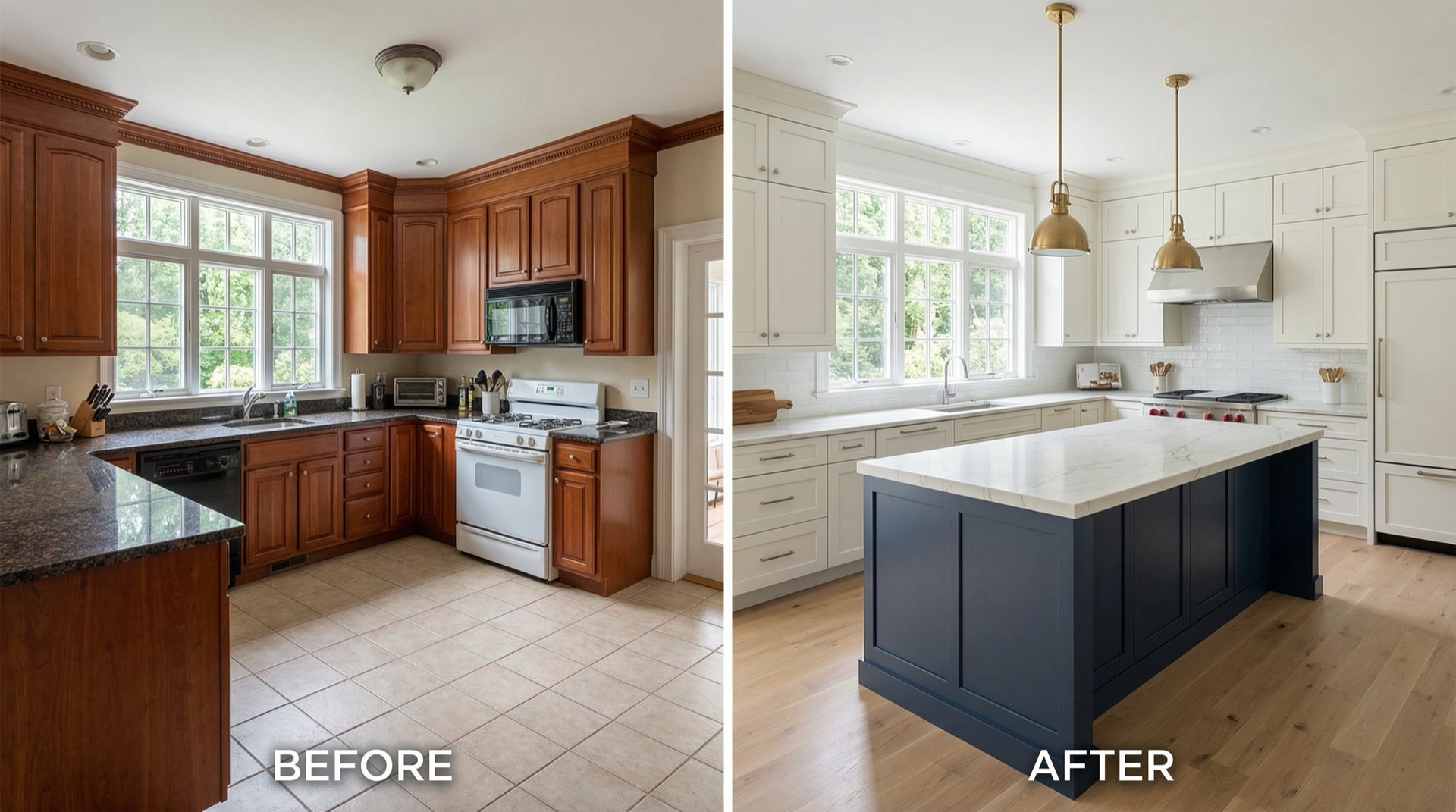
A New Canaan family wanted to open up a kitchen closed off by a load-bearing wall. We engineered a beam solution, installed white shaker cabinets with a quartz island, and extended hardwood flooring into the new open layout.
"BuiltWell made it straightforward. Now we can't imagine how we lived before."
Homeowner, New Canaan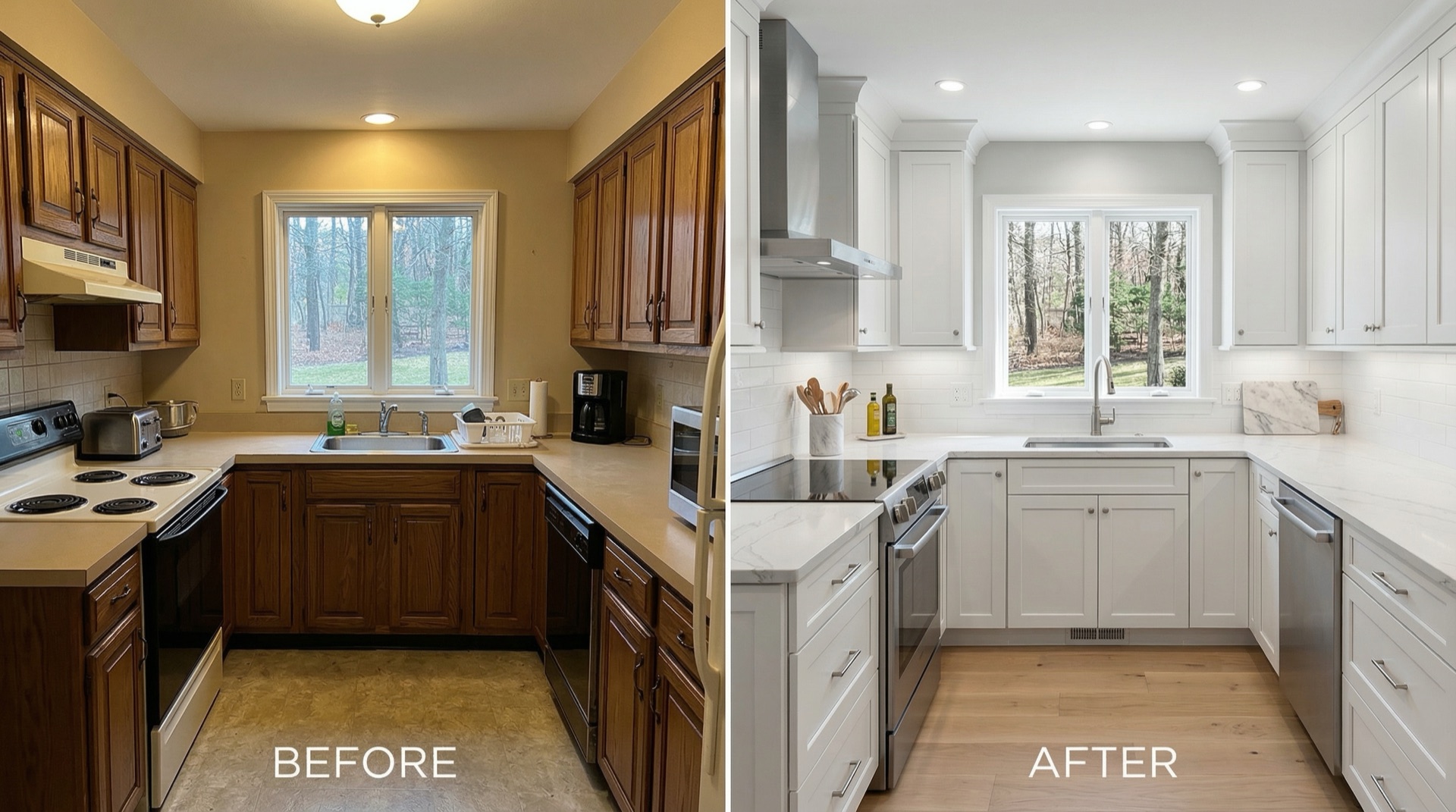
A Milford homeowner needed to replace dated 1990s oak cabinets and laminate countertops. We removed the peninsula, installed soft-close cabinetry with quartz countertops and subway tile, and extended LVP flooring into the dining room.
"They showed up when they said they would, cleaned up every day, and the kitchen turned out better than I imagined."
Homeowner, Milford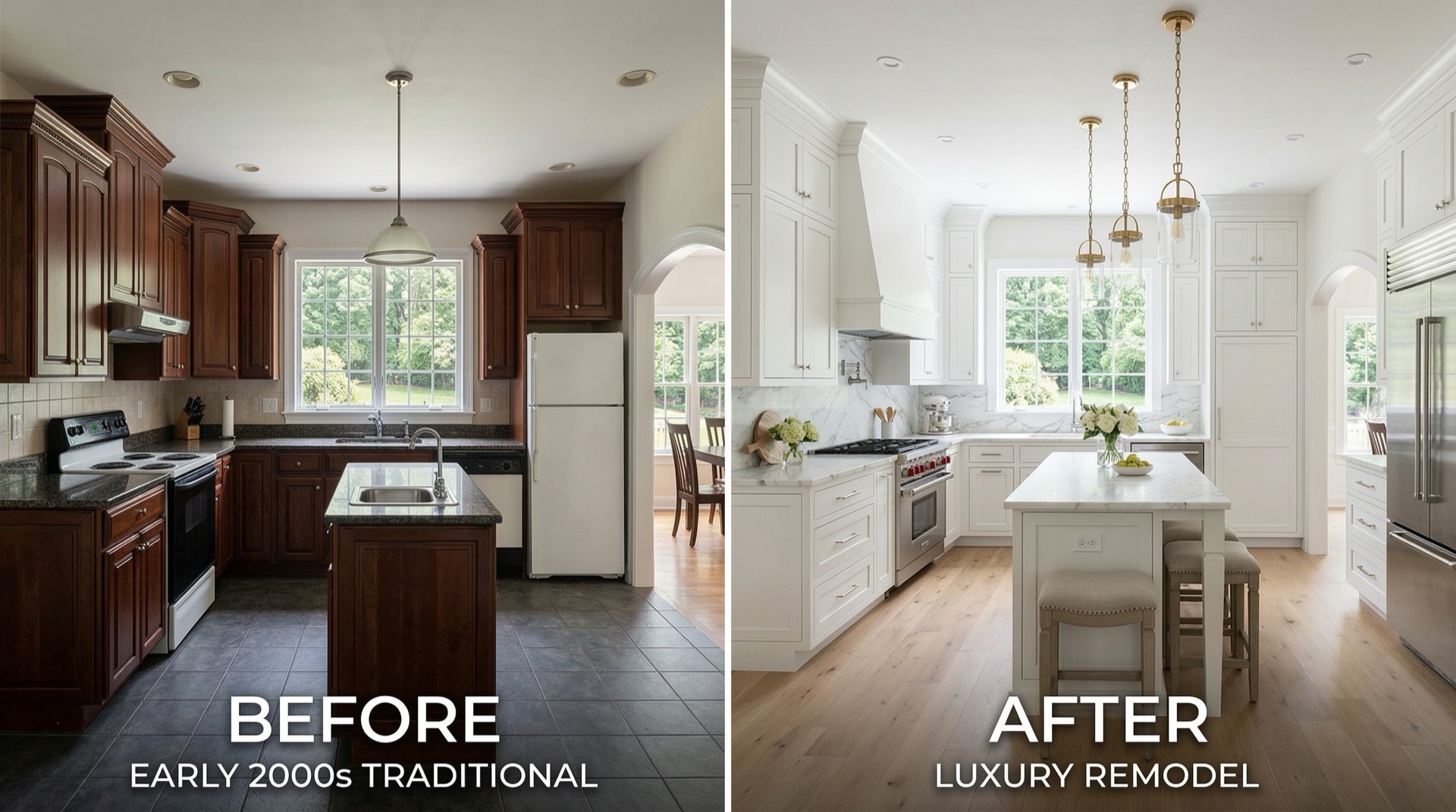
A Westport couple wanted a brighter, more functional kitchen. We gutted the space, reconfigured the layout to add a center island, installed custom cabinetry with quartz countertops, and added recessed lighting throughout.
"We cook together every night now. The island changed everything about how we use the kitchen."
Homeowner, WestportKitchen remodeling in New Haven ranges from $25,000 for a basic cabinet and countertop update to $150,000 or more for a high-end renovation. Pre-war homes typically add $15,000 to $40,000 in remediation costs.
| Scope | Cost Range | What's Typically Included |
|---|---|---|
| Basic Refresh | $25,000-$50,000 | Cabinet refacing or stock cabinets, new countertops, updated appliances, paint |
| Mid-Range | $50,000-$90,000 | New cabinets, stone countertops, new flooring, appliances, updated lighting |
| High-End | $90,000-$150,000+ | Custom or semi-custom cabinets, layout changes, premium appliances, full finishes |
| Pre-War Premium | +$15,000-$40,000 | Lead abatement, knob-and-tube rewire, asbestos removal, steam heat system modifications |
All prices include labor and materials. Final cost depends on scope, selections, and site conditions.
New Haven's housing stock presents construction conditions that contractors without local experience regularly underestimate.
Over 40% of New Haven's housing was built before 1940. These homes almost universally have electrical panels that cannot support modern appliance loads. A kitchen with a new refrigerator, induction range, dishwasher, microwave, and under-cabinet lighting may draw more power than the original panel was designed to handle. Many of these homes still have active knob-and-tube wiring that must be replaced before any renovation work can proceed. We assess panel capacity and wiring conditions early and address them in the scope.
Pre-war homes in East Rock, Wooster Square, Prospect Hill, Beaver Hills, and Westville regularly contain lead paint, asbestos floor tiles, and plaster-on-lath walls. All three require specialized handling. We are EPA RRP certified for lead-safe work practices and coordinate all asbestos testing and abatement as part of the project.
New Haven's Victorian and multi-family housing stock often uses balloon framing, stone foundations, and steam heat systems. When a kitchen layout change involves removing or modifying a wall in one of these homes, the structural approach differs significantly from a standard platform-framed house. Steam pipes running through the kitchen footprint must be carefully rerouted. We have worked in all of these conditions throughout New Haven and know what to expect.
New Haven uses an online-only permit portal and requires separate permits for electrical, plumbing, and building work. The Wooster Square historic district adds a design review step for exterior-visible changes. We handle all permit applications and inspection coordination as part of the project.
Every kitchen remodel follows the same five-step process. This structure keeps projects on schedule, on budget, and clearly communicated throughout.
Most kitchen remodels take ten to twenty-two weeks from signed proposal to final walkthrough.
Consultation, measurements, material selections, and detailed proposal.
Custom orders require the longest lead time. Semi-custom options arrive in four to six weeks.
Demo, rough-ins, cabinetry, countertops, tile, flooring, and fixtures.
Hardware, final connections, punch list, and walkthrough.
Timelines vary based on project scope, material lead times, and permit requirements.
We provide kitchen remodeling throughout Fairfield and New Haven Counties, with dedicated teams serving both regions.
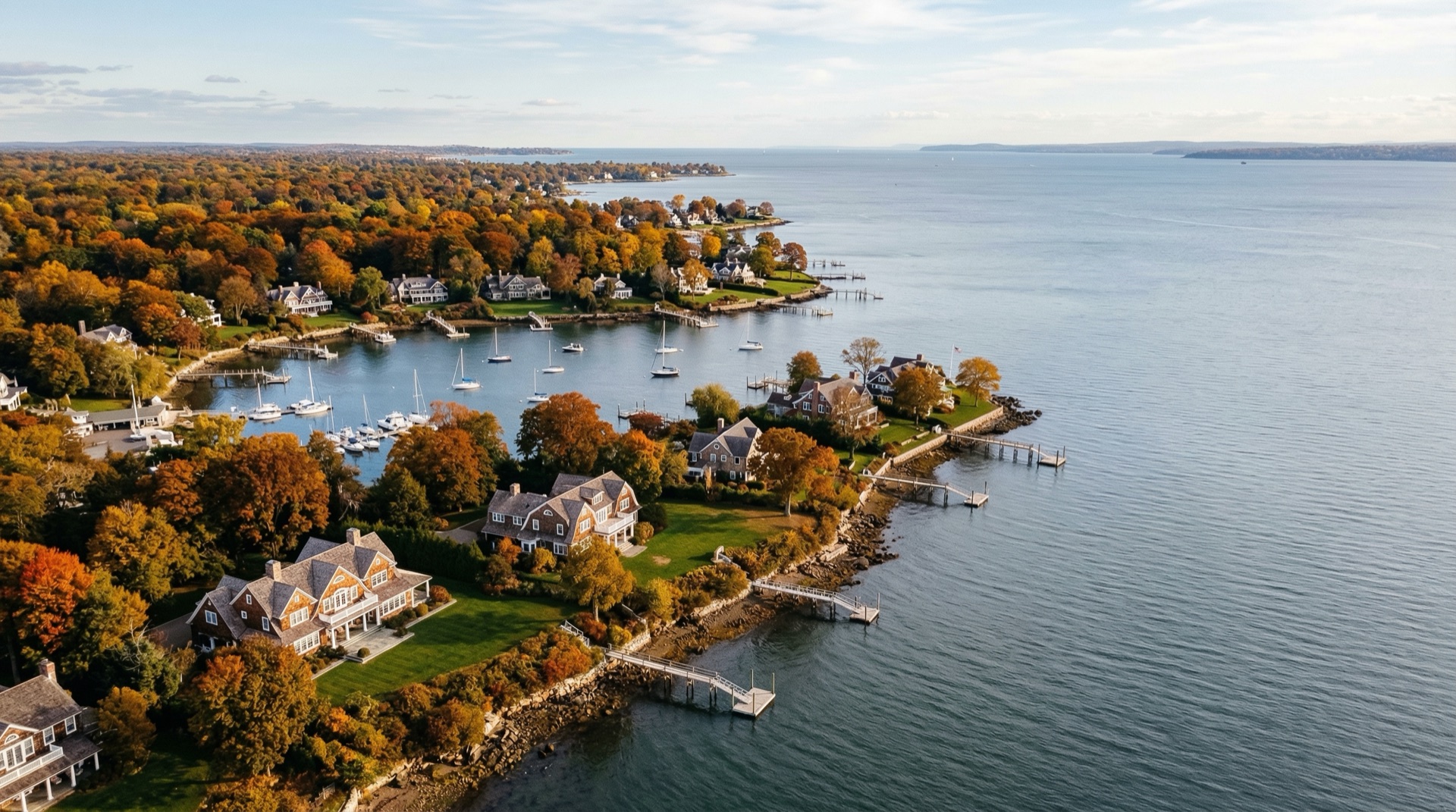
Kitchen remodeling across Fairfield County, from custom chef kitchens in Greenwich and Westport to practical layout upgrades in Norwalk and Stamford. We handle every phase of the build in house.

Kitchen remodeling across New Haven County, from our Orange, CT office. We modernize galley kitchens, open up floor plans, and deliver full gut renovations tailored to the local housing stock.
We work exclusively with proven brands trusted by contractors and homeowners across Connecticut.










Tell us about your project. We respond within one business day. No obligation.


Flexible Financing Available. Get approved in about 60 seconds and start your project today.
Many kitchen remodeling projects include or lead to these related services.
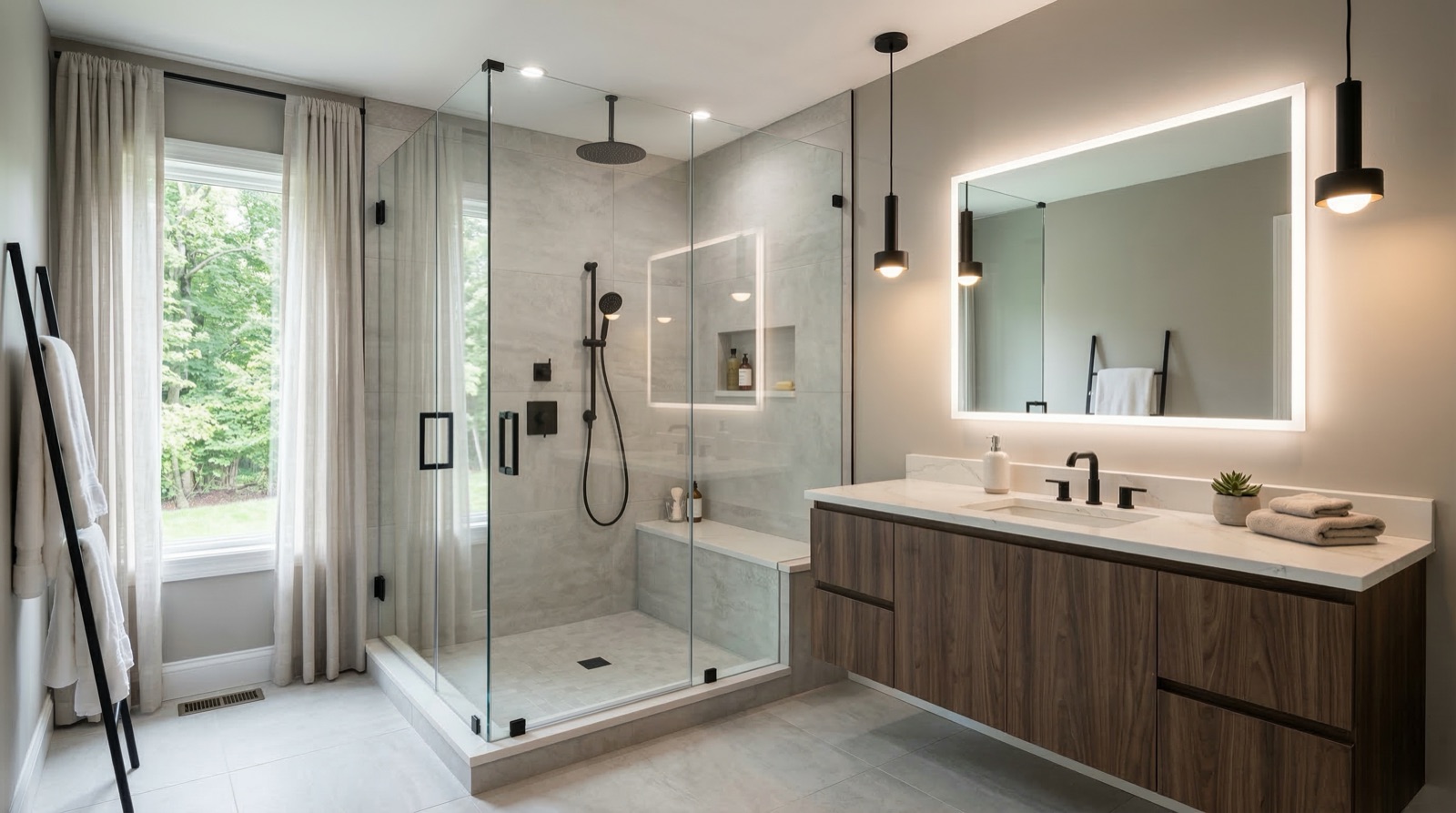
Complete bathroom renovations including tile, vanities, showers, tubs, and plumbing upgrades throughout Connecticut.
Learn More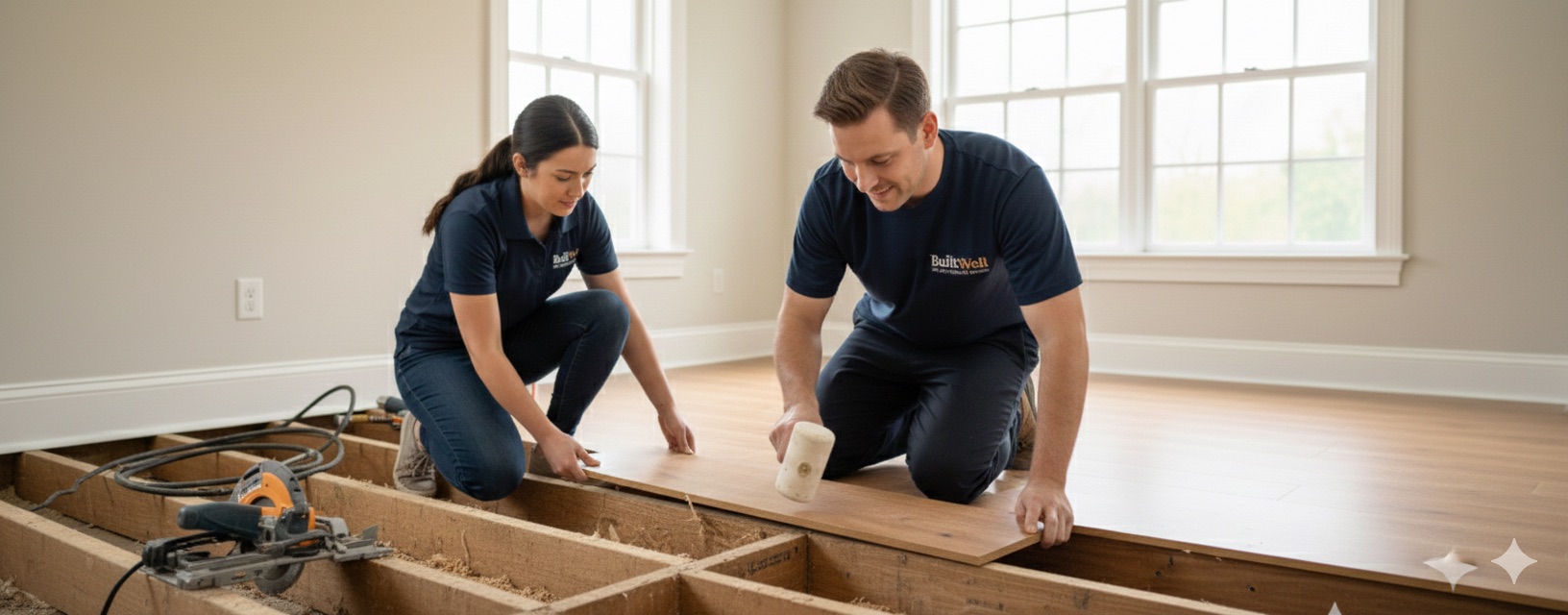
Hardwood, luxury vinyl plank, tile, and engineered wood flooring installation with expert subfloor preparation.
Learn More
Professional interior painting with proper prep, premium paints, and clean lines throughout your Connecticut home.
Learn More